
Used Specialized Turbo Levo buyer's guide: real market values, years to avoid, battery SOH checks, and hidden risks before you buy.
⚡ THE 3-LINE SUMMARY (For those in a hurry)
The "blue-chip" of e-MTBs: It holds its value like no other, but this drives many sellers to demand crazy prices for heavily abused bikes.
The invisible battery threat: Never trust the percentage on the display; always demand the official State of Health (SOH) report via the app.
The mechanical golden rule: Watch out for older Brose motors (up to 2021) and sellers claiming a beat-up bike is "like new."
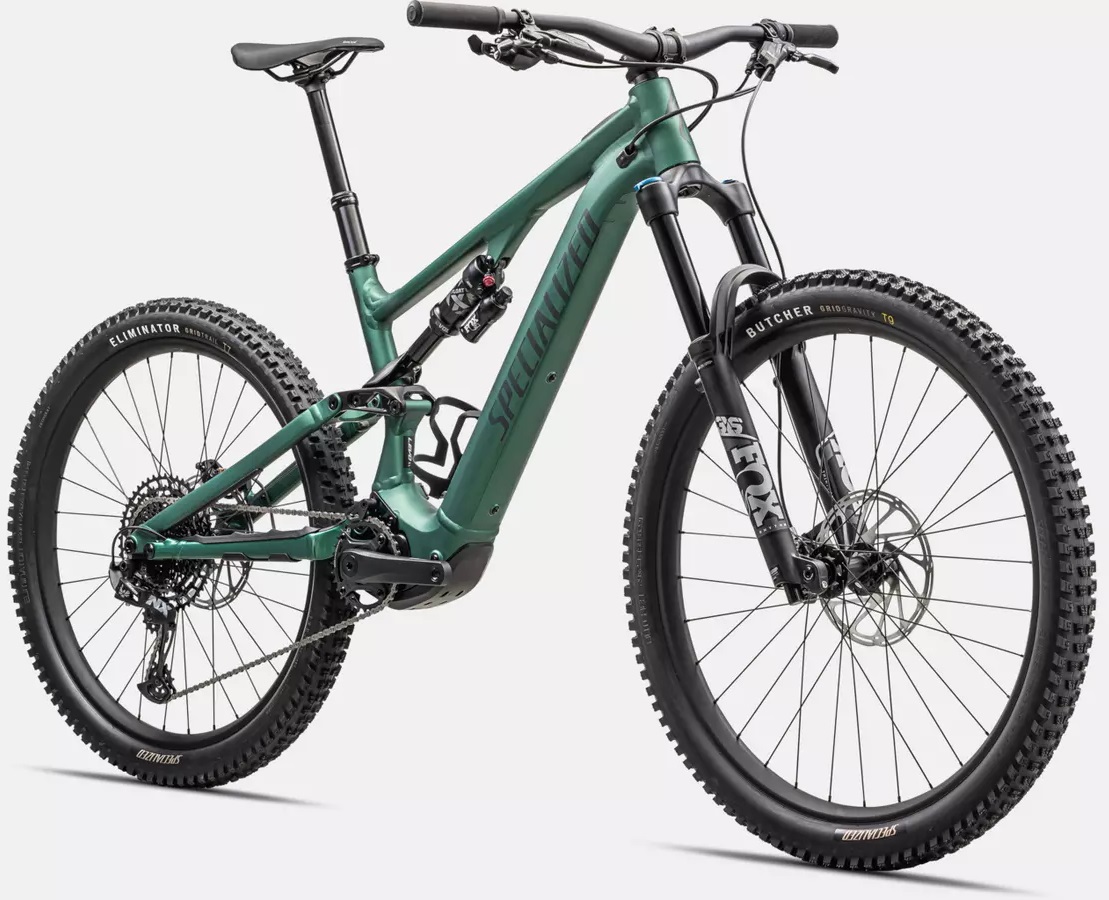
The Specialized Turbo Levo is the most desired, copied, and best-selling e-MTB on the planet. On the used market, it acts like a blue-chip stock: requests flood in, social media feeds are crammed with listings, and prices—even for models with several seasons under their belt—remain shockingly high.
However, buying a second-hand Turbo Levo without proper caution is the quickest way to turn the dream of the ultimate e-bike into a financial and mechanical nightmare. Between motors that caused headaches in the past, sealed batteries losing capacity, and inflated price tags from optimistic sellers, the risk of getting scammed is right around the corner. Before parting with a hefty sum of cash, let's lay out the numbers and risks in black and white.
1. Real Market Values: What is a Used Turbo Levo Worth Today?
The used market is the Wild West, but for the Levo, there are clear technical and generational boundaries:
First and Second Generation (2016 - 2019): These frequently pop up below €2,500 - €3,000. The hidden risk is high: at this price, you are buying historic machines, long out of warranty, featuring the early Brose-based motors (customized by Specialized) prone to internal belt wear and bearing noise. If they haven't been recently overhauled, the purchase price is just the down payment for upcoming repair bills.
Third Generation / Gen 3 (2022 onwards): This represents the ultimate turning point for geometry, frame rigidity, and reliability of the 2.2 motor (still Brose-based, but heavily beefed up). Prices here range from €3,800 to €5,500+ depending on the spec and whether the frame is carbon or alloy. If you find a recent Gen 3 priced suspiciously low, raise your red flags—there's almost always a hidden catch (a cracked frame or a dying battery).
2. The Checklist of Doom: What to Inspect Before Signing
Before handing over your money to a seller who swears the bike was only ridden "on Sundays to the local cafe by an elderly gentleman," personally verify these critical points:
Battery State of Health (SOH): This is the economic heart and most expensive component of an e-bike (a new original replacement easily exceeds €800-1,000). Insist on connecting the bike to the Mission Control App via Bluetooth to check the number of charge cycles completed and the remaining degradation percentage. If the battery is below 80% efficiency or has surpassed 300-400 cycles, the price must plummet.
The Motor and Suspicious Noises: Turn the bike on while stationary, switch to Turbo mode, and pedal uphill. Abnormal metallic ticking or motor stuttering are major red flags. Ask for the service history and whether the motor has ever been opened or replaced under warranty.
Pivot and Linkage Bearings: Specialized full-suspension bikes work their rear pivots hard. Put the bike on a stand, grab the saddle, and wiggle it laterally: if you feel play or creaking, the bearings need replacing (a great excuse to negotiate the price down).
Actual Frame Condition: Check the lower motor bash guard: if it's full of deep gouges and violent impacts, the bike has seen heavy enduro riding. Watch out for cracks on carbon frames (run your fingertips across the tubes and tap gently with a coin to listen for any internal delamination).
3. Pros, Cons, and No-Filter Verdict
🏆 The Real Advantages
Stellar handling: The geometry and weight distribution remain an absolute benchmark in the e-bike sector.
Software ecosystem: Smartphone-based assist tuning is among the most intuitive and customizable on the market.
Market liquidity: Buy at the right price today, and you can resell tomorrow without dramatic losses.
⚠️ The Drawbacks (What they don't tell you)
Zero bargain prices: You often end up paying more for the brand badge than the actual wear and tear of the machine.
Electrical maintenance costs: If electronics or the display unit (TCU) fail out of warranty, official replacement parts hit your wallet hard.
4. Frequently Asked Questions (FAQ)
How many charge cycles can a Specialized battery handle before wearing out?
Modern lithium cells maintain good efficiency (above 80%) even after 400-500 full charge cycles, provided they were stored and charged properly, avoiding extreme temperatures or prolonged deep discharges.
Can I use a third-party aftermarket battery to save money?
Strongly discouraged. Specialized's closed electronics and strict communication protocols mean that compatible batteries frequently throw the bike into a total error lock-out.
How do I check the actual mileage?
Vital stats don't lie when read directly through the official app connected to the bike's control unit. Be wary of anyone claiming "only a few hundred kilometers" while showing a bike with worn cranks and bald tires.
The No-Filter Verdict from Cyclonline.com
"A used Specialized Turbo Levo is a surface-to-air missile that never ages dynamically, but buying one requires a cool head and technical know-how. Don't let the logo on the down tube blind you: demand the SOH battery report and check that the motor is hiding no dark secrets. If the deal is honest, you'll take home one of the most fun e-MTBs of your life; if the price is inflated, you're simply paying off the previous owner's maintenance backlog."