
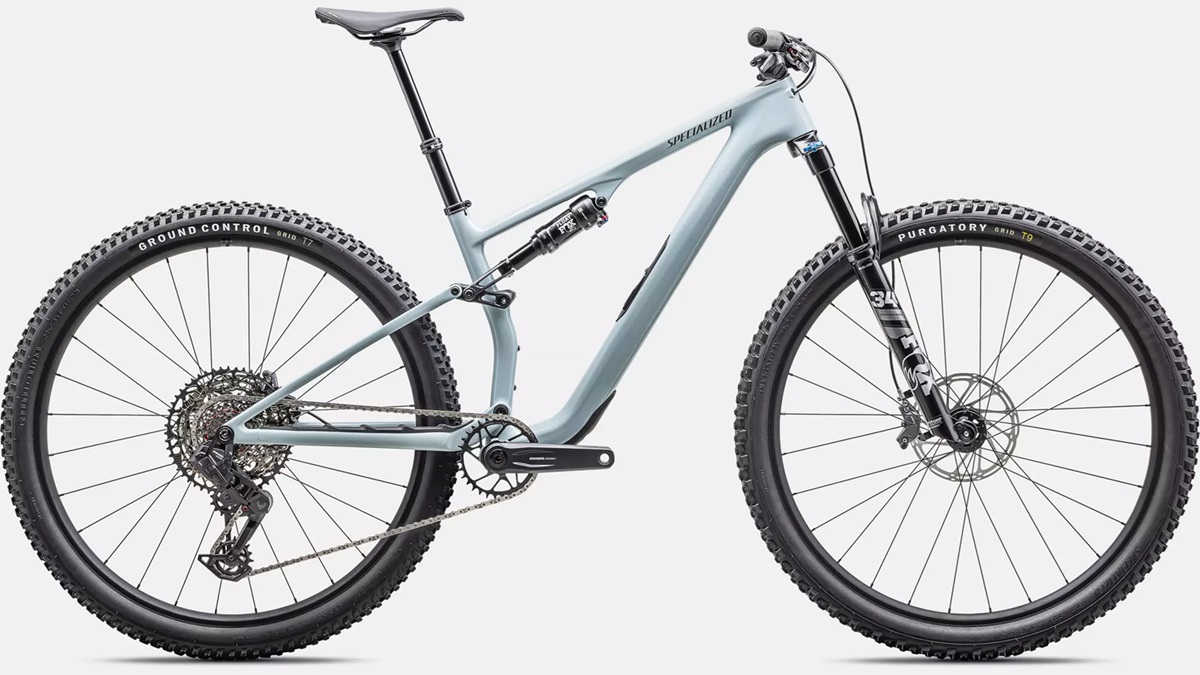
12.7 kg of pure down-country anger and a steep price tag: our unfiltered review of the 2026 Specialized Epic 8 EVO Comp. Pros, cons, and verdict.
⚡ THE QUICK TAKE (For those in a rush)
The Character: Stiff, responsive, and far more radical than its predecessor; demands proper fitness and sharp riding skills on technical terrain.
The Weight: Tips the scale at a real 12.7 kg (28 lbs)—competitive, but not a hyper-light gram-counter's dream.
The Verdict: A stellar frame and top-tier performance, held back only by a steep price tag and long-term maintenance overhead.
In the world of cross-country and marathon racing, the name "Epic" is practically legendary. But the new Specialized Epic 8 EVO Comp 2026 breaks away from pure-XC traditions: it features pushed-out geometry, an aggressive down-country soul, and enough capability to make traditional cross-country purists sweat.
We pushed this 12+ kilo machine to its limits across alpine rock gardens, root-strewn singletracks, and brutal punchy climbs to see if it justifies its high-end positioning.
1. Frame & Weight: Engineering Masterpiece or Wallet Killer?
At first glance, the frame layout immediately stands out for its clean lines and meticulous volume optimization. It is, for all intents and purposes, a piece of functional art.
The Real Weight: The Epic 8 EVO Comp hits 12.7 kg. It’s not an ultra-lightweight pure-XC weapon, but rather a robust, purpose-built platform designed to take serious hits on descents.
The Maintenance Cost: This high level of engineering complexity comes with a catch. With such advanced frames and suspension layouts, the high purchase price is just the beginning—long-term service and maintenance will demand a healthy budget.
2. On the Trail: Stiff, Fast, and Demanding
Compared to the previous generation, the shift is radical: the bike is stiffer, significantly more reactive, and undeniably faster, but it demands a higher physical and mental investment.
Climbing: Weight distribution and rear-wheel traction are exceptional, letting you clear technical ledges and steep ramps with surprising ease—provided your legs have the power to push a stiff chassis.
Descending: This is where the EVO comes alive. High-speed stability is rock-solid. Compared to direct competitors (like the hyper-stiff Trek setups or more compliant 120mm full-suspension trail bikes), Specialized strikes a brilliant middle ground: it filters small chatter much better than a hardtail, but it won’t coddle you like a heavy trail rig. It demands precision.
3. The Real-World Limits We Discovered
Being honest means highlighting what doesn't quite feel bulletproof:
It Demands Rider Input: The high responsiveness makes it lightning-fast, but on rough, loose lines, it will tire your wrists and punish lazy steering mistakes.
The Price-to-Upkeep Ratio: While it boasts one of the best resale values on the used market, the entry barrier is steep and requires careful evaluation against your actual riding needs.