
Trek Madone SL7 Gen 8 Shimano Ultegra Di2 2026: Hands-on Test and Technical Review
In-depth road test of the 2026 Trek Madone SL7 Gen 8 with Shimano Ultegra Di2. Technical analysis of real-world weight (7.8kg), comfort levels, and climbing performance.
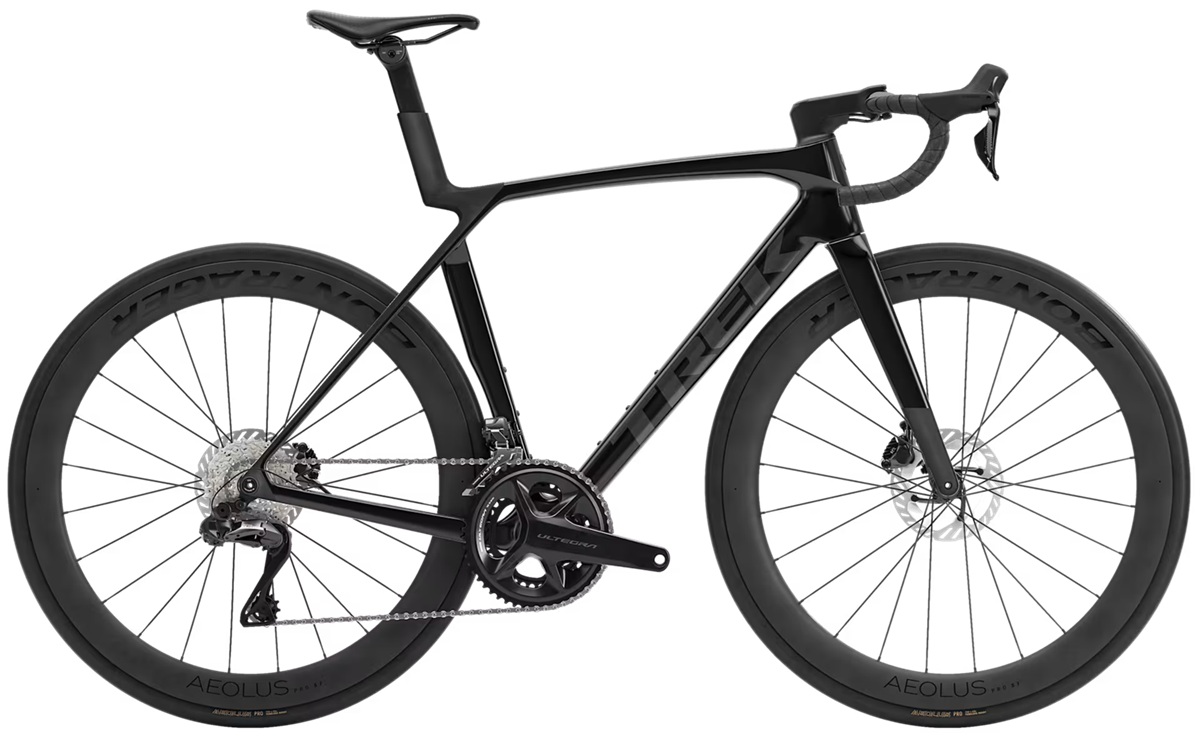
2026 Trek Madone SL7 Gen 8 Review: Weight, Performance & Ultegra Di2 Specs
Trek Madone SL7 Gen 8 Shimano Ultegra Di2 2026: Hands-on Test and Technical Review
In-depth road test of the 2026 Trek Madone SL7 Gen 8 with Shimano Ultegra Di2. Technical analysis of real-world weight (7.8kg), comfort levels, and climbing performance.
Review Summary: At a Glance
Attribute Specification / Verdict
Real-World Weight 7.8 kg (Size 56, without pedals)
Frame Material OCLV 500 Series Carbon
Drivetrain Shimano Ultegra Di2 R8100
MSRP Approx. €6,200
Best For Power riders, Crit races, Flat-to-rolling terrain
Expert Rating (4/5)
Trek Madone SL7 Gen 8 2026: Frame and Build Analysis
The Trek Madone SL7 Gen 8 Shimano Ultegra Di2 2026 features a truly unique frame. While it is not designed as a lightweight climbing specialist, it is exceptionally aerodynamic. In this specific SL trim, unfortunately, the weight has increased compared to previous generations.
The craftsmanship is high-tier, offering a wide range of colorways and sizes that confirm Trek's premium quality standards for 2026. While the build is impeccable, the bike is by no means light: this version tips the scales at 7.8 kg. Given the retail price of approximately €6,200, the weight-to-price ratio is a point of contention. As with previous aero models, riders must choose their size with extreme care; the integrated cockpit limits post-purchase adjustment of the reach and stack.
Components and Value for Money
The Gen 8 build options include both Shimano and SRAM groupsets. Because the frame itself carries significant mass, equipping it with a 105 Di2 group makes it even heavier. Interestingly, the 105 Di2 version currently offers a much better value-for-money ratio than the Ultegra build.
Paying a premium for the Ultegra Di2 to save a mere 500 grams is difficult to justify given the current price gap in the SL line. Despite the high-quality shifting, the price remains steep for the SL segment. It is undeniably a high-quality machine, but it sits in a very expensive bracket for a non-SLR frame.
Ride Comfort and Compliance
Discussing ride comfort on a dedicated aero bike is always a matter of perspective. Steps forward have been made compared to the Madone Gen 7; the updated carbon layup and revised geometry make the bike more forgiving, but the improvement is not revolutionary.
If you seek an endurance-level plush ride, this bike is not for you.
If you frequently ride on broken pavement, this is not the ideal choice.
Without a core/back trained for aggressive racing positions, you will find this frame taxing. For a well-conditioned racer, however, the vibration damping is sufficient for high-speed efforts.
Handling and Stability
The 2026 Trek Madone SL7 Gen 8 presents a significant surface area, making it sensitive to crosswinds. It is not an "easy" bike to handle when gusts hit. On rough road surfaces, the stiff frame provides limited damping, requiring a decisive and experienced hand to maintain the line.
Interestingly, the SL performs slightly better than the SLR in terms of predictability on rough asphalt. This is likely due to the higher mass and the specific properties of the OCLV 500 carbon, which feels less "chattery" than the ultra-stiff OCLV 900. On technical descents, its performance is world-class: it is fast into corners and incredibly stable under heavy braking. It is an exhausting bike that demands 100% focus, but it rewards the rider with a pure, competitive "racing" feel.
Performance: Flats, Hills, and Sprints
The relatively high weight is the primary limitation of the Trek Madone SL7. This is a racing machine that truly shines only on flats and descents. The frame is exceptionally rigid and the aerodynamics are top-tier, making it a formidable weapon for steady-state efforts.
In the flats, it is difficult to distinguish its performance from the much more expensive SLR. However, once the road tilts upward, the weight penalty becomes apparent. It struggles on steep gradients and is certainly not a "mountain goat." This frame is purpose-built for powerful riders and criterium-style courses. For its price bracket, it is highly competitive, though it does not decisively outperform its 2026 rivals in the same category.
Final Verdict: Pros and Cons
Pros:
Aerodynamics: Exceptional speed retention on flat roads.
Build Quality: Premium finish and Trek’s reliable warranty support.
High-Speed Handling: Tracks like a rail on smooth, fast descents.
Aesthetics: One of the most striking silhouettes in the 2026 peloton.
Cons:
Weight: At 7.8 kg, it is heavy for a €6k performance bike.
Versatility: Almost zero climbing prowess on steep Alpine passes.
Price: High entry point for the "SL" (mid-tier) carbon layup.
Final Thought: The Trek Madone SL7 Gen 8 is a valid, high-performance racing tool, but its lack of versatility is its Achilles' heel. It excels in the flats and descents—and that is where it should stay.
If you have other questions, you can write to: info @ cyclonline.com
NDR: The photo does not refer to the specific bike subject to this test.