
In-depth test and review of the Trek Supercaliber SLR Gen2: discover real-world performance, IsoStrut suspension behavior, pros, and cons.
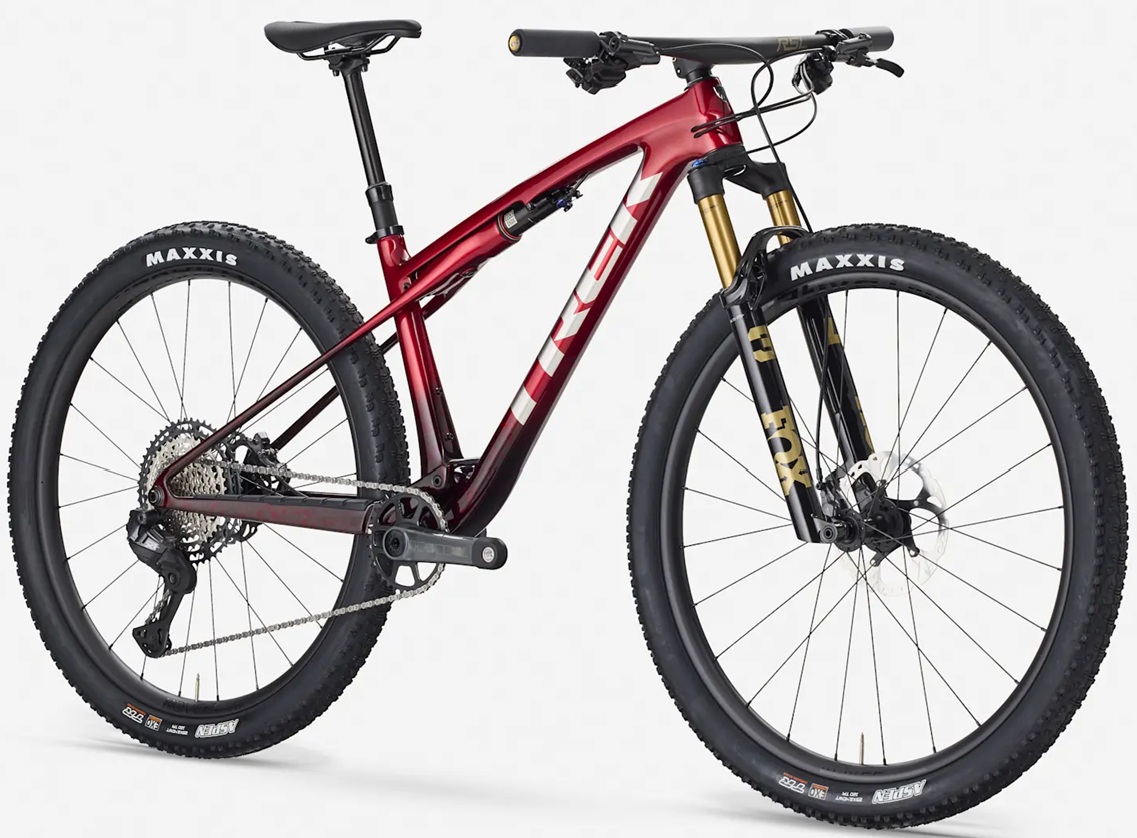
The Trek Supercaliber SLR Gen2 represents one of the most brilliant engineering compromises in the modern cross-country world: the desire to keep the brutal, unyielding efficiency of a hardtail while adding just enough rear suspension to survive increasingly technical, punishing World Cup courses.
With its proprietary IsoStrut shock, ultra-lightweight SLR carbon layup, and race-bred geometry, how does this minimalist speed machine actually perform on the dirt? A no-filter technical analysis of weights, suspension behavior, and real-world feedback.
1. SLR Carbon Layup and IsoStrut Suspension Engineering
From a manufacturing standpoint, Trek strips away every ounce of unnecessary material to create an exceptionally light and stiff cross-country platform.
The IsoStrut System: The absolute core of the Supercaliber is its structural rear shock—providing 80mm of travel—integrated directly into the frame structure. This eliminates traditional pivot bearings, reducing weight, lateral play, and maintenance headaches while keeping the rear triangle completely rigid under power transfer.
Modern Standards: The Gen2 steps up front-end travel to 110mm to handle aggressive modern descents, features a threaded bottom bracket for creak-free durability, and relies on a clean, race-focused internal cable layout.
2. Handling and Dynamics: Blisteringly Fast and Precise
On the trail, the Supercaliber behaves with a razor-sharp, uncompromising character that rewards aggressive, active riding.
Climbing and Power Transfer: When you punch down on the pedals, the acceleration is instantaneous. The lack of traditional suspension linkage flex means zero watt loss—it climbs smooth sections and punchy, rooty ramps with the explosive snap of a pure hardtail.
Descents and Technical Sections: The 110mm front fork paired with the 80mm rear IsoStrut takes the sharp edge off hits, allowing you to maintain speed through rock gardens and braking bumps. However, it is not a plush trail bike; it demands clean line choices and punishes sloppy steering.
3. Practicality and Maintenance: Built for Race Days
Unlike complex full-suspension cross-country rigs loaded with bearings and linkage pivots that require constant service, the Supercaliber keeps things streamlined.
Workshop Simplicity: Fewer pivot points mean less lateral wear and tear over a muddy winter season. The proprietary IsoStrut requires periodic servicing, but the overall chassis layout is wonderfully straightforward for mechanics and racers alike.
Final Verdict: Pros, Cons, and Who It's For
The Pros:
Unmatched power transfer and hardtail-like climbing efficiency.
Featherweight SLR carbon frame construction optimized for racing.
Simplified rear suspension design with fewer pivots to maintain.
Perfect blend for fast, hard-packed, and moderately technical XC tracks.
The Cons:
Limited rear travel (80mm) can feel harsh over prolonged, brutal rock gardens.
Demands an active, precise riding style rather than a forgiving "point-and-shoot" approach.