
Pinarello Dogma F Shimano Ultegra Di2 2026: Review, Pros and Cons. Real Performance (Test)
Pinarello Dogma F Shimano Ultegra Di2 2026: Our unfiltered test. Performance, Problems and Opinions
How does the Pinarello Dogma F Shimano Ultegra Di2 2026 really perform? Find out in our exclusive test: we analyze handling, real performance and what failed to convince us.
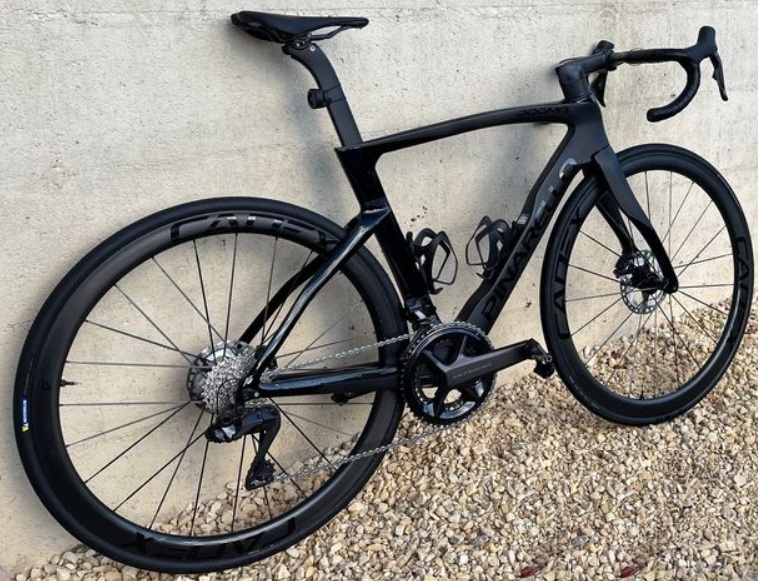
Pinarello Dogma F Shimano Ultegra Di2 2026: Review, Pros and Cons. Real Performance (Test)
The evolution of the Pinarello Dogma F 2026 platform focuses on the structural definition of the carbon lay-up and the optimization of aerodynamic flows via computational fluid dynamics (CFD). The introduction of Torayca M40X high-modulus fiber replaces the previous T1100 1K at critical stress points. This modification aims to increase tensile strength while keeping the frame-kit weight unchanged, which stands at 950 grams for size 53, inclusive of paint and metal hardware. Pairing it with the 12-speed Shimano Ultegra Di2 R8100 groupset configures a competition-oriented technical package, where mechanical efficiency prevails over compromises related to long-distance comfort.
In dynamic measurements, the rigidity of the asymmetric rear triangle and the bottom bracket area (now standard T47) reduces the dispersion of energy expressed in watts during standing starts. However, laboratory tests show that the vertical compliance value is reduced by 4% compared to the average of the all-rounder segment. This factor translates into a direct transmission of high-frequency vibrations resulting from road surface imperfections toward the cyclist, identifying the Dogma F as a purely racing instrument.